Supervised Theses
Master and doctoral theses I supervised or co-supervised. Each also appears under the project it contributed to.
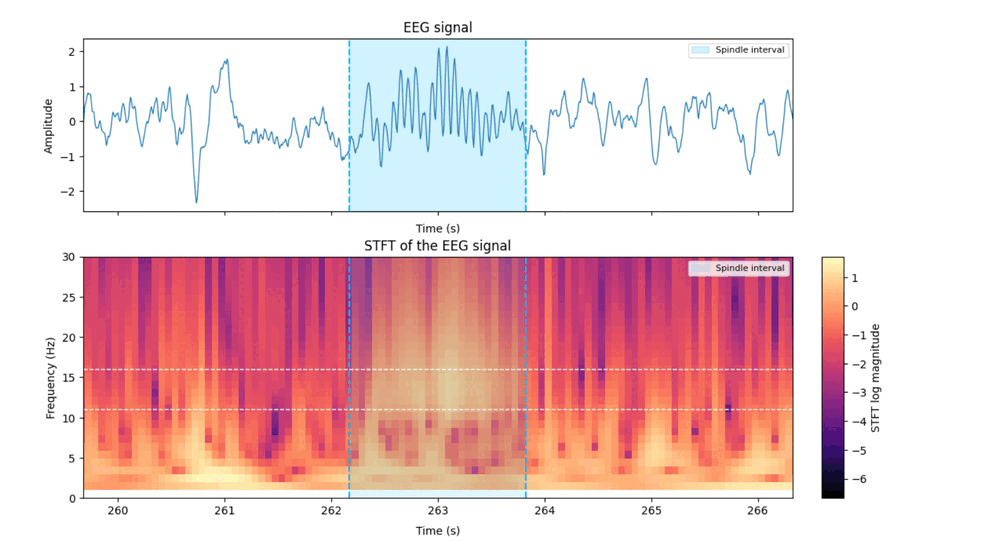
Sleep Spindle Detection from Electroencephalography via Sleep Foundation Models
Sleep spindles are second-long bursts in the EEG whose shape tracks memory and brain health, and counting them by hand does not scale. This thesis asked whether a large pretrained sleep model can be made to mark each spindle's exact start and end, and found that the pretrained part supplies context while a purpose-built frequency view supplies the precision.
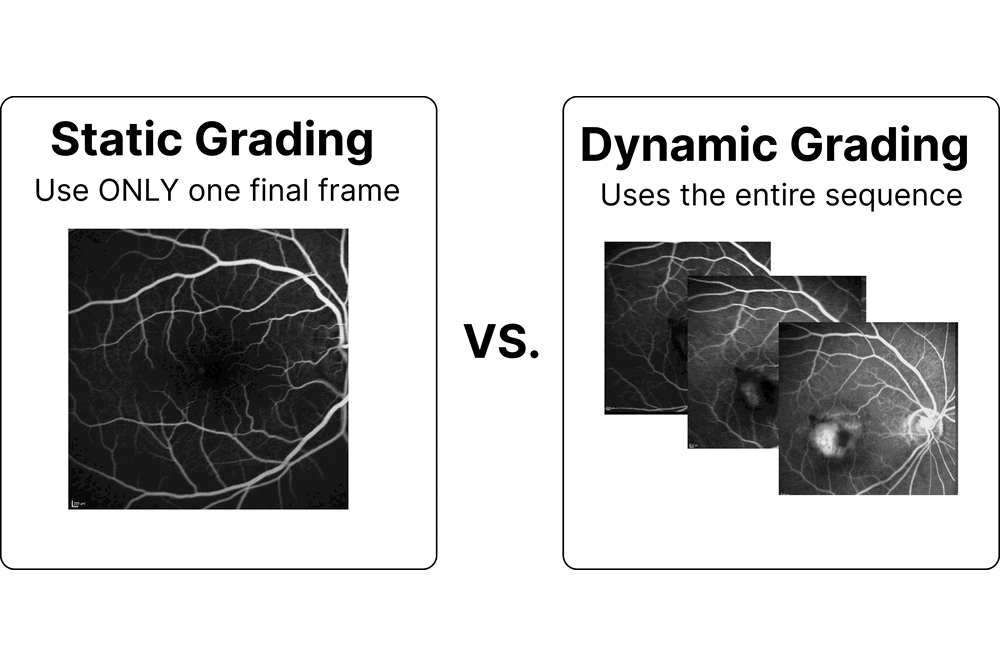
Beyond the Last Frame: Temporal Deep Learning for Automated Grading of Retinal Inflammation in Fluorescein Angiography
Fluorescein angiography films the eye for several minutes, yet the group's grading model was reading only the final photograph. This thesis taught it to watch the whole sequence, lifting grading accuracy where the disease is defined by how it changes over time.
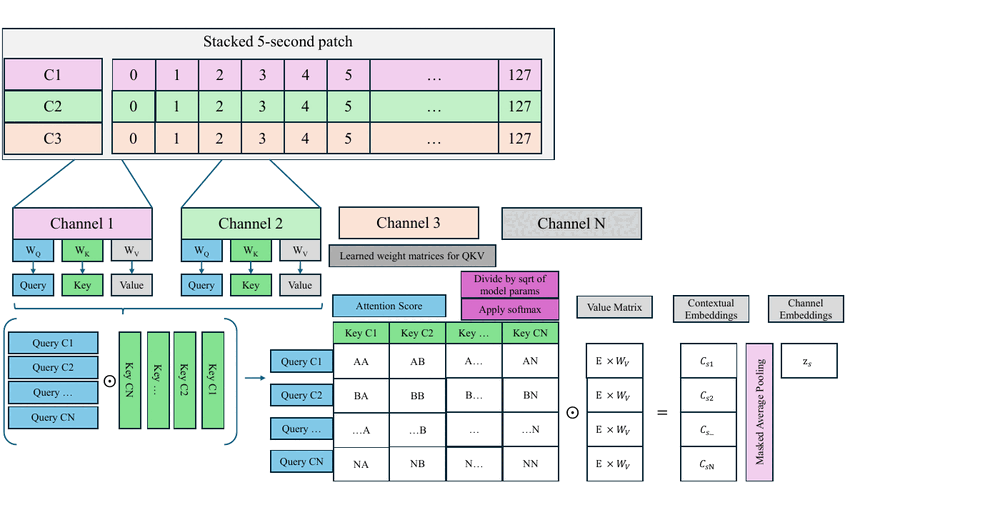
Towards Scalable Foundation Models for Sleep EEG and Polysomnography
Sleep is diagnosed from all-night recordings, but models are usually built one task and one sensor setup at a time. This thesis built a reusable foundation model for sleep, pretrained on about 13,000 nights.
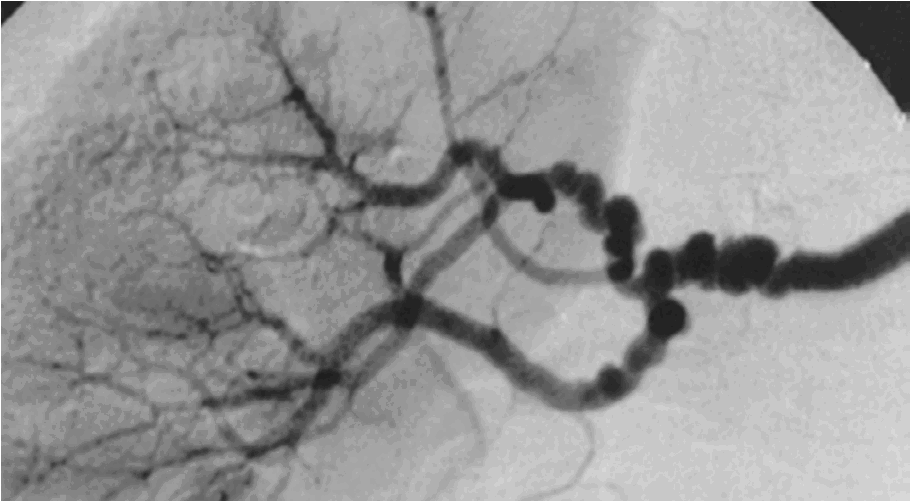
Towards Computer-Aided Diagnosis of Fibromuscular Dysplasia: Abnormality Detection in the Renal Artery Using Deep Learning
Fibromuscular dysplasia shows up as subtle abnormalities in the arteries and is easily missed. This thesis trained deep-learning models to detect them in renal-artery CT angiography, from a cohort of 126 scans.
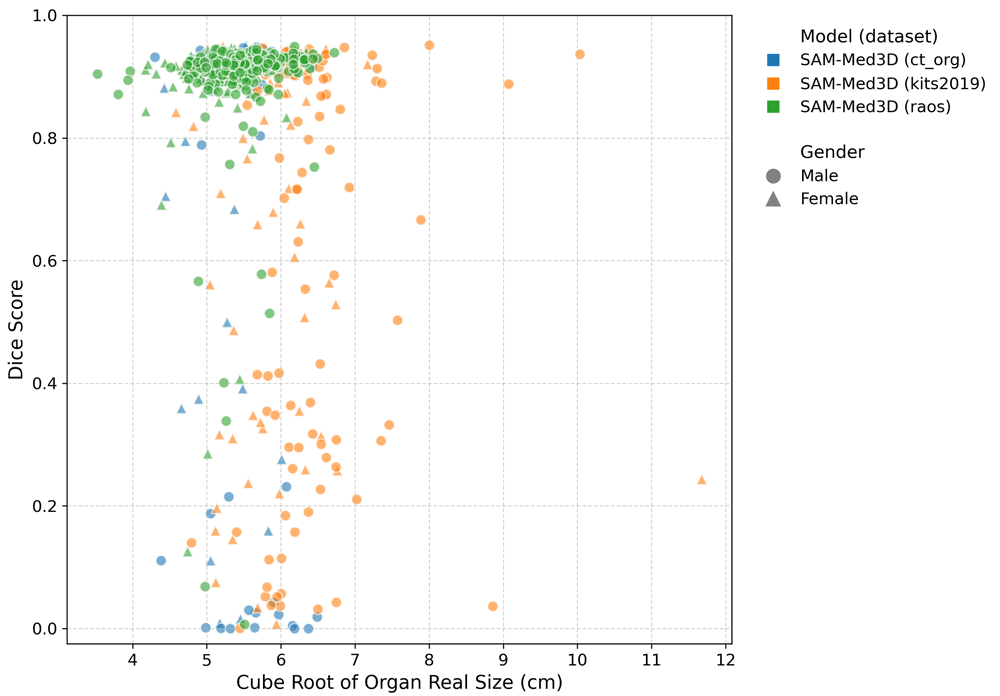
Measuring Bias in AI Anatomical Structure Segmentation Models
AI models that outline organs in medical scans can quietly work better for some patients than others. This thesis measured gender and organ-size bias in three widely used segmentation models.
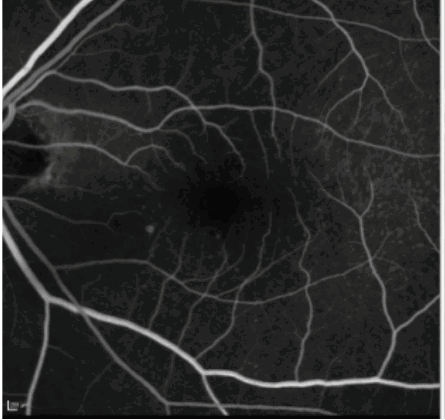
Evaluating Cross-Domain Adaptation Strategies for Foundation Models: A Study on Fluorescein Angiography
Fluorescein angiography reveals retinal disease but is far less annotated than ordinary fundus photography. This thesis tested whether AI "foundation models" trained on fundus images can be adapted to angiography efficiently, including for grading uveitis inflammation with the Jules-Gonin Eye Hospital.
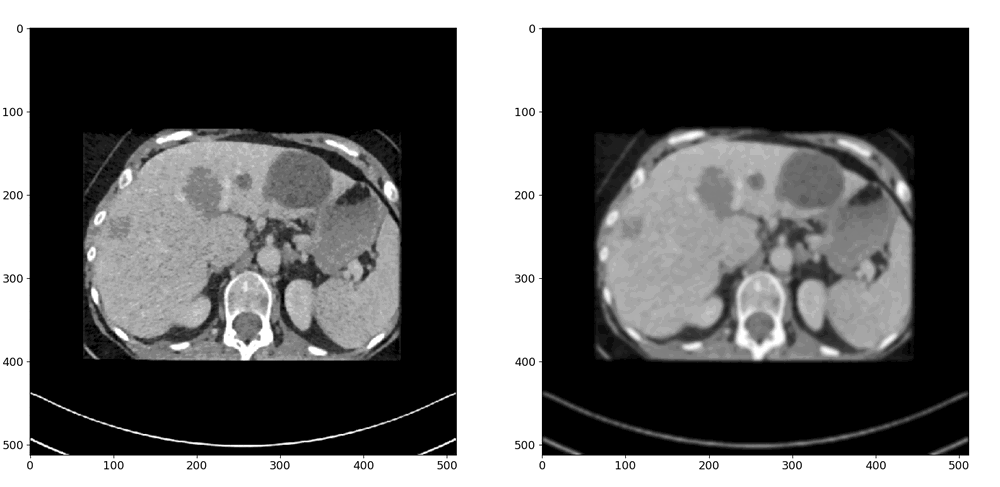
Stability and Accuracy of Radiomic Features in Medical Image Classification
A radiomic biomarker is only useful if it does not change every time the scanner settings do. This thesis looked for image features that stay both stable and informative across acquisition protocols.
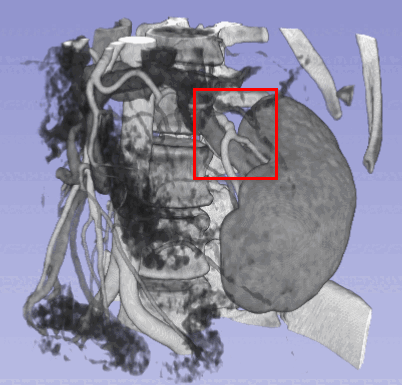
Clinically Interpretable Computer-Aided Diagnostic Tool for Fibromuscular Dysplasia Detection
Fibromuscular dysplasia is rare and easy to miss. This thesis explored neural networks that detect it in medical imaging while explaining their decisions, so a clinician can see why.
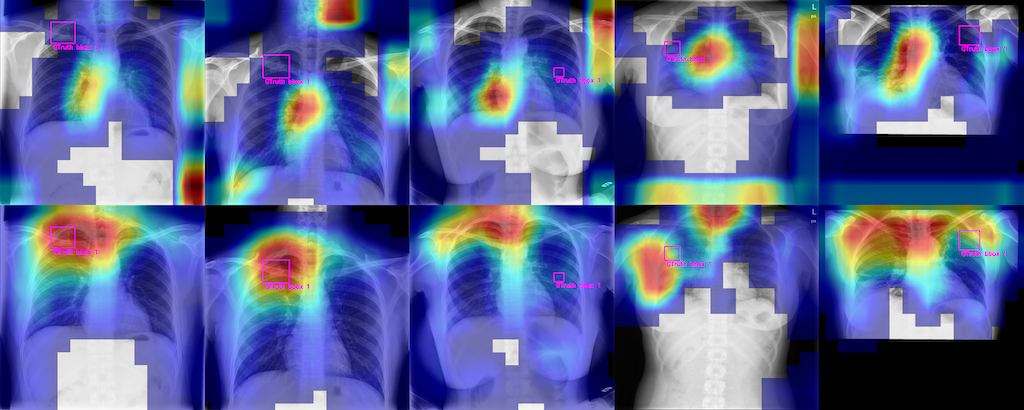
Explaining CNN-Based Active Tuberculosis Detection through Saliency Mapping
Deep networks can flag active tuberculosis on chest X-rays, but can we trust the heatmaps that explain them? This thesis measured which explanation methods are actually faithful, and improved detection with more annotated data.
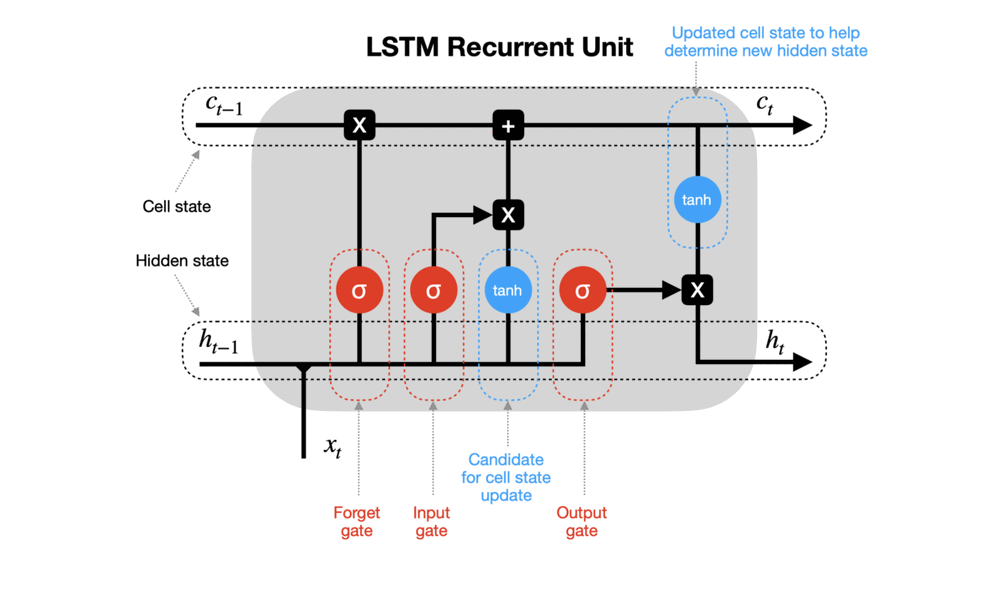
Automatic Sleep-Phase Analysis via Stateful Methods
Sleep stages unfold over time, so a good scorer should use temporal context. This thesis studied stateful models for automatic sleep-phase analysis, and how well they carry across clinics and populations.
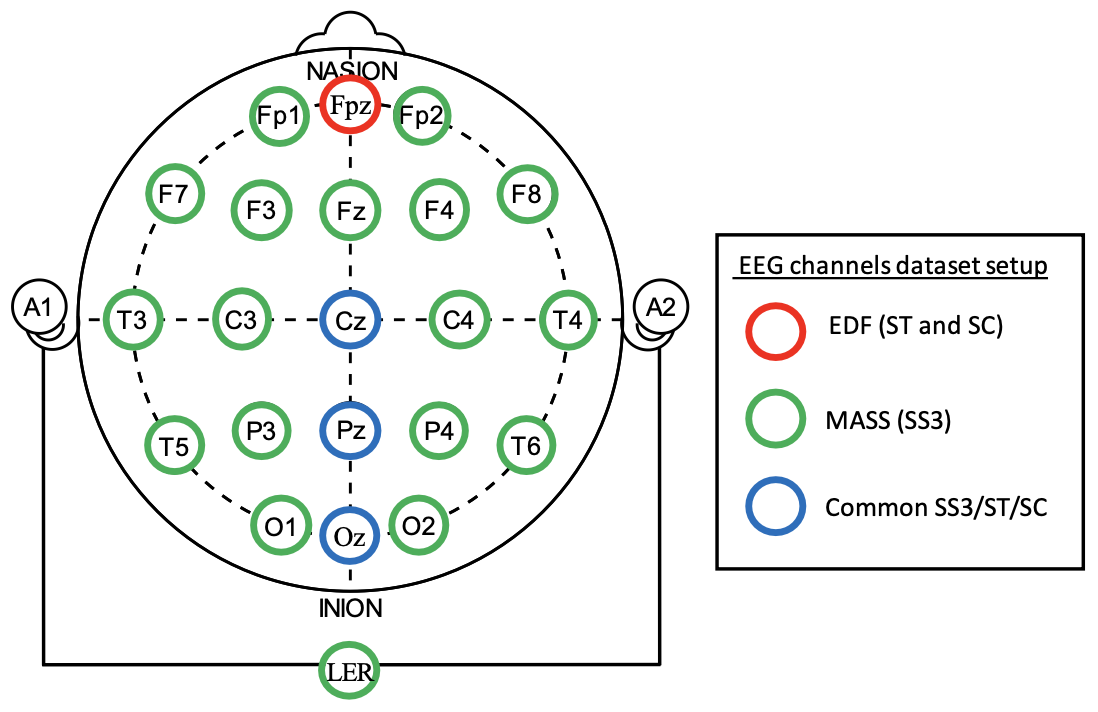
Generalizable Automatic Classification of Sleep Stages
Scoring a night of sleep by hand is slow and two experts often disagree. This thesis studied automatic sleep-stage classification with a focus on holding up across different clinics.
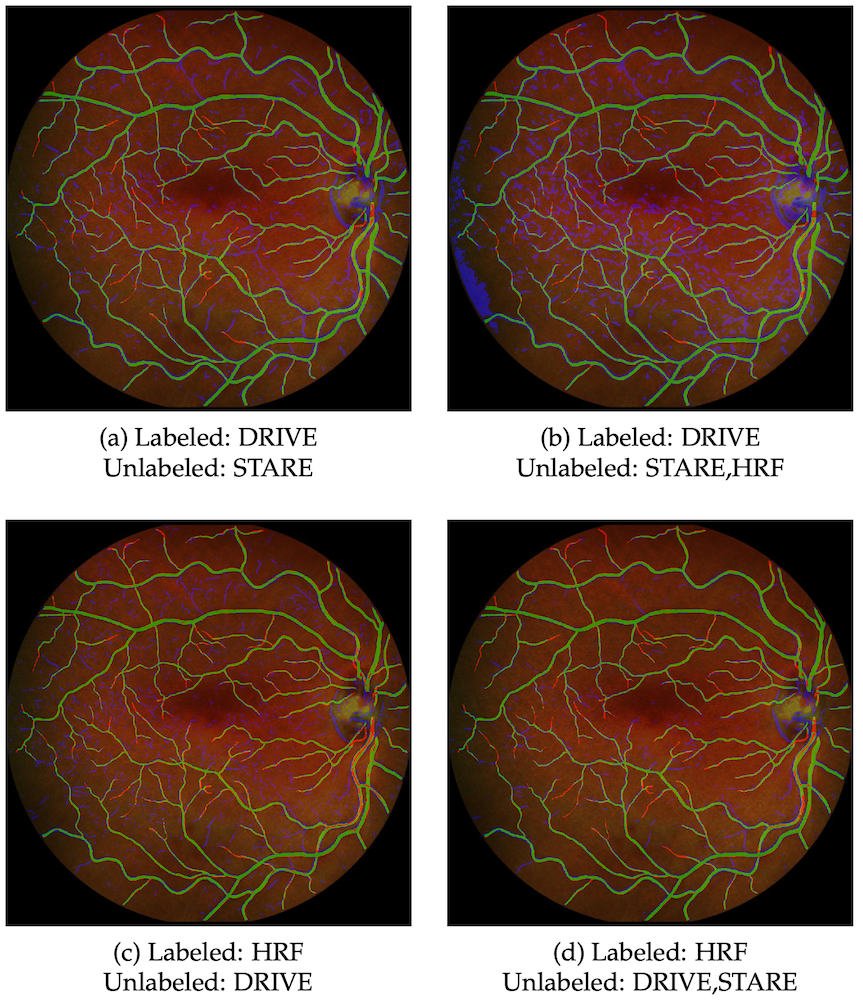
Semantic Segmentation of Weakly Labeled Retinal Images
Labelling retinal images pixel by pixel is slow and expensive. This thesis learned to segment retinal vessels while leaning on unlabelled images, so good results need far fewer annotations.
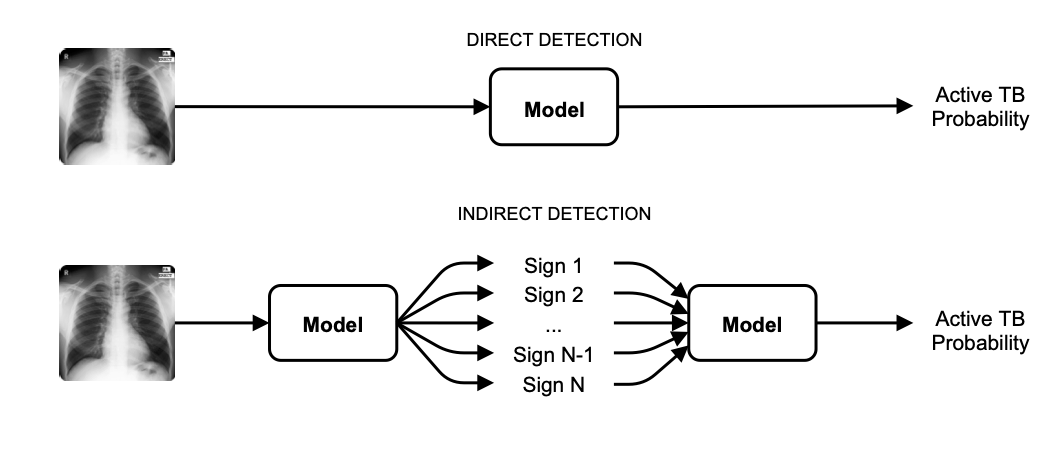
Active Tuberculosis Detection from Frontal Chest X-ray Images
Tuberculosis is often diagnosed from chest X-rays where specialists are scarce. This thesis built an interpretable, generalisable way to detect it by reading radiological signs rather than scoring the image directly.
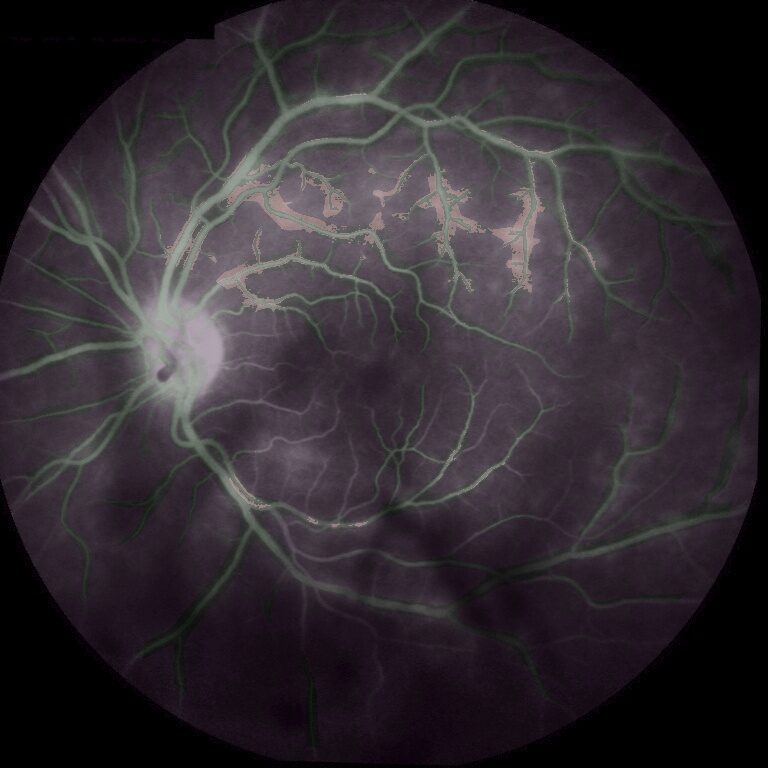
Automatic Grading of Vasculitis Inflammation in Fluorescein Angiography Images
Vasculitis inflames the blood vessels at the back of the eye and can cost a patient their sight. This thesis built an automatic pipeline that detects and grades the dye leakage from angiography, tested on 543 patients at Jules-Gonin.
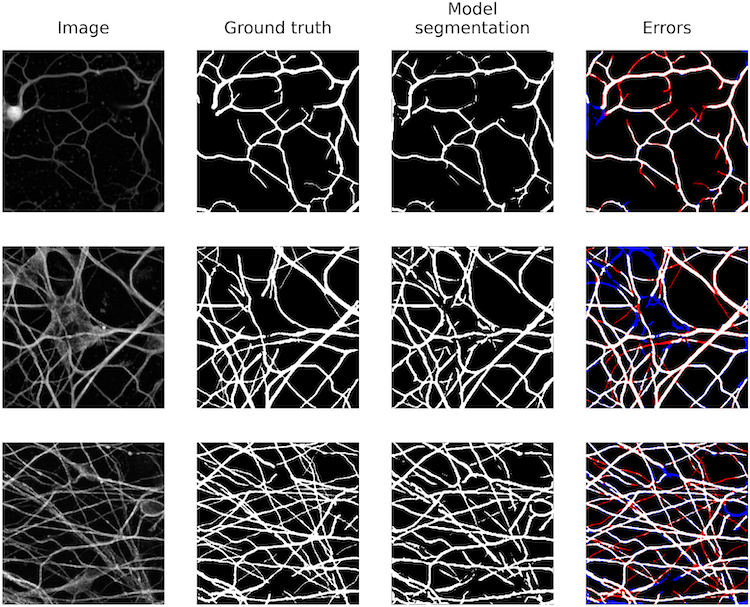
Automated Segmentation of Developing Motor Neurons in Fluorescence Microscopy
The shape of a neuron carries clues to disease. This thesis automated the segmentation of motor neurons in microscopy so that the morphological changes of amyotrophic lateral sclerosis can be studied at scale.
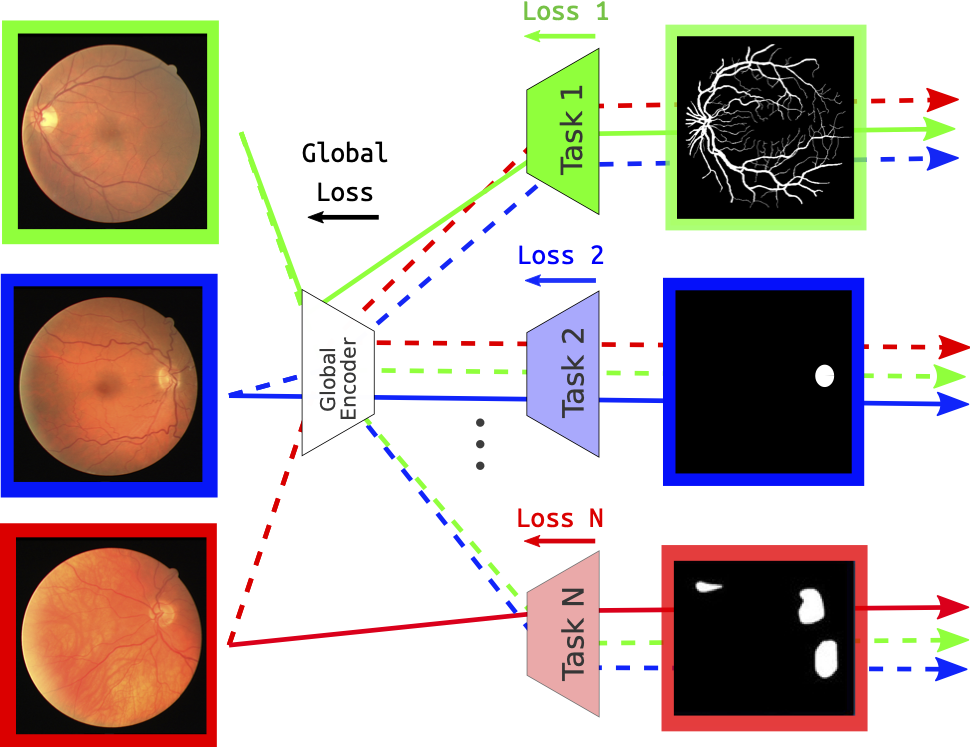
Computer-Aided Screening for Eye Diseases from 2-D Retinography
Many blinding eye diseases show no early symptoms. This thesis worked toward interpretable screening from ordinary retinal photographs by teaching a single model to segment the fundus structures that disease affects most.
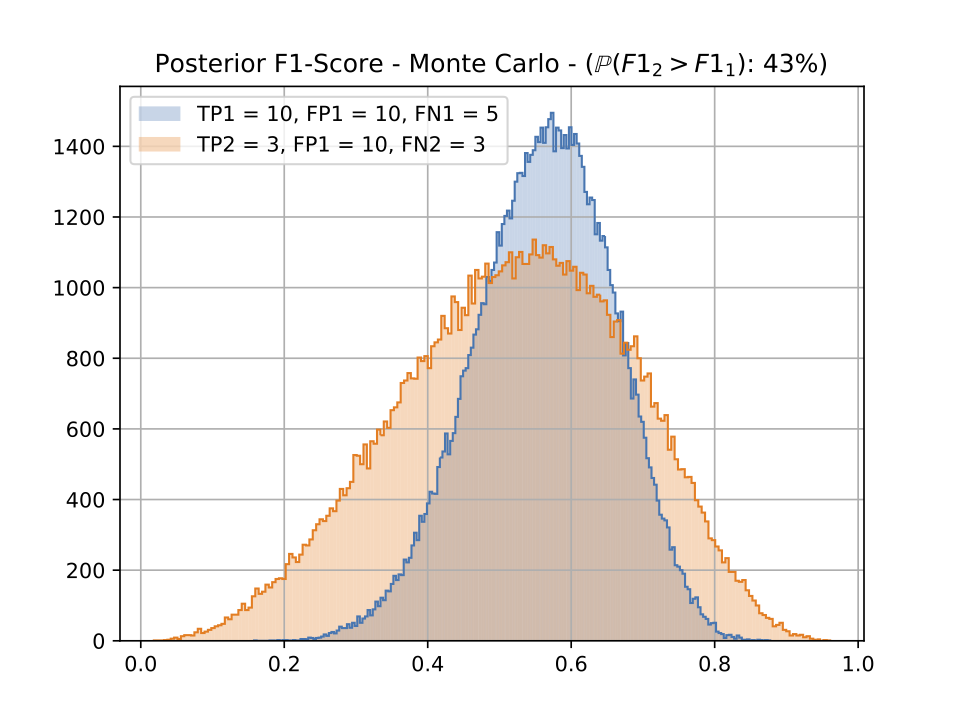
Is System A Statistically Better Than System B?
On a small test set, is model A really better than model B, or did it just get lucky? This thesis expresses common performance measures as probability distributions so that comparisons come with honest uncertainty.
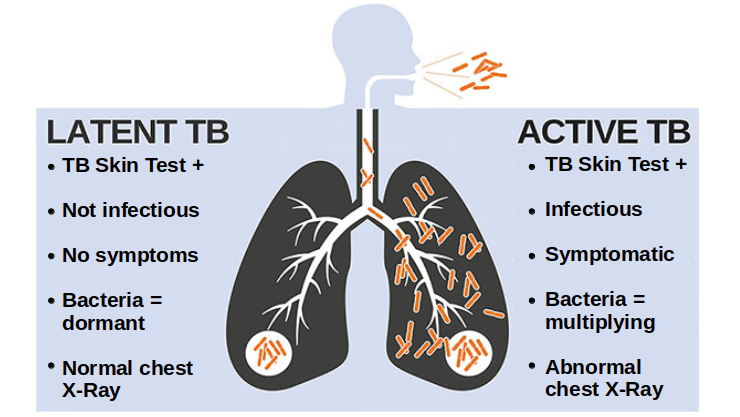
Machine Learning for Adverse-Event Detection in Latent Tuberculosis Treatment
Preventive tuberculosis therapy works, but its side effects make patients stop. This thesis asked whether the patients most at risk of those side effects can be spotted in advance from routine clinical data.
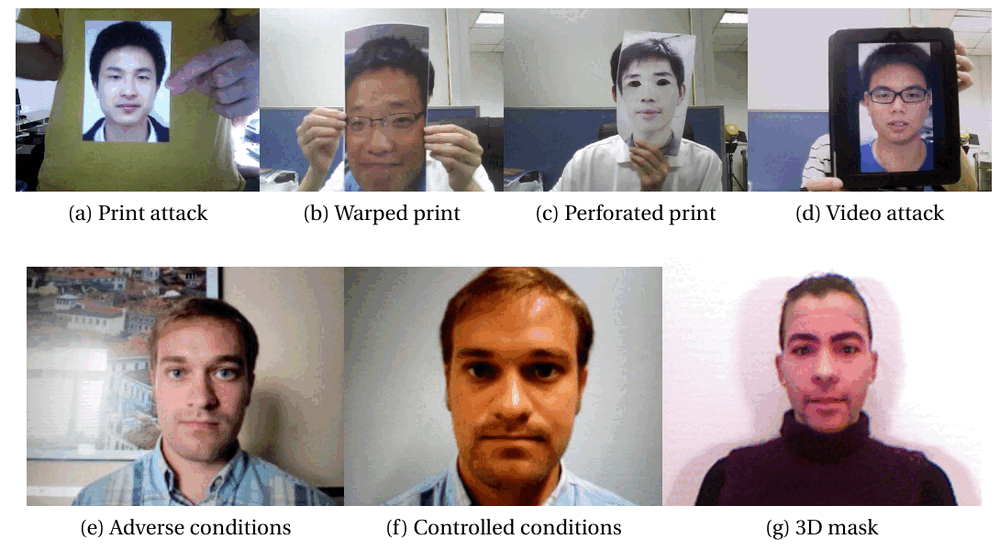
Trustworthy Biometric Verification under Spoofing Attacks: Application to the Face Mode
A face-recognition system can be fooled by a photo or video of its target. This doctoral thesis built defences against such spoofing and, just as importantly, a principled way to measure how trustworthy a system is under attack.